Nlyte Software
Overview
Nlyte (now a Carrier company) specializes in Data Center Infrastructure Management (DCIM) and Technology Asset Management (TAM) software. Their platform helps large enterprises and government agencies plan, manage, and optimize data centers - including power, cooling, IT assets, and compliance with mandates like the Data Center Optimization Initiative (DCOI).
Role: UI & UX Lead Designer
Type: Enterprise SaaS / B2B / Government Team: Led design, embedded with front-end development.
The Challenge
Nlyte's product interface needed to keep pace with an expanding feature set while remaining usable for a highly technical but time-pressured audience - data center managers and IT ops teams. Complex workflows around floor planning, cabinet management, and power monitoring were presented through dense, fragmented UI patterns that increased the learning curve and slowed task completion. Consistency across the product and its supporting materials was also lacking.
My Role & Process
As UX Lead, I drove the overall design and experience strategy across the product. This included:
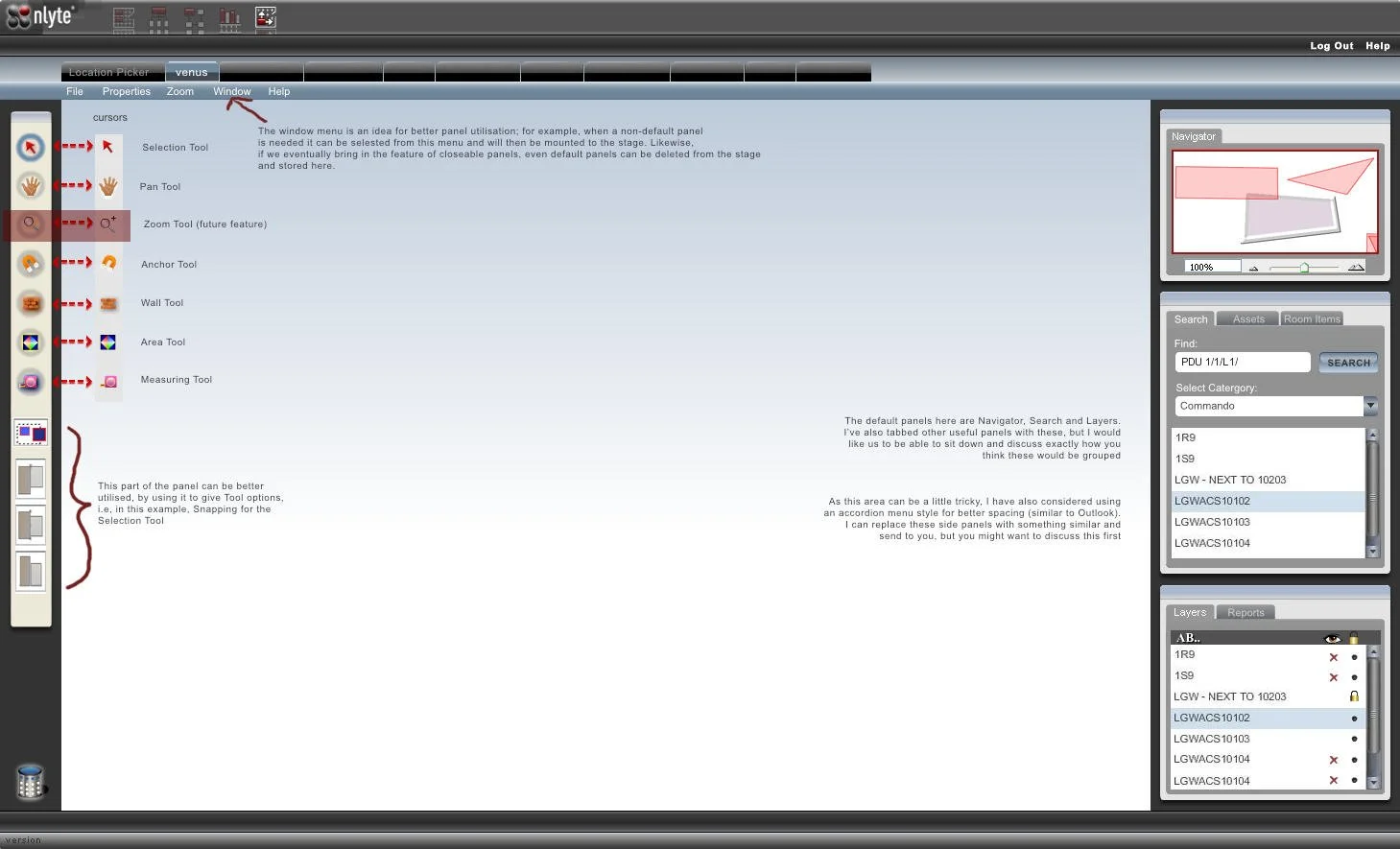
UX Strategy - Defined interaction patterns and interface standards to bring coherence across a large, modular product
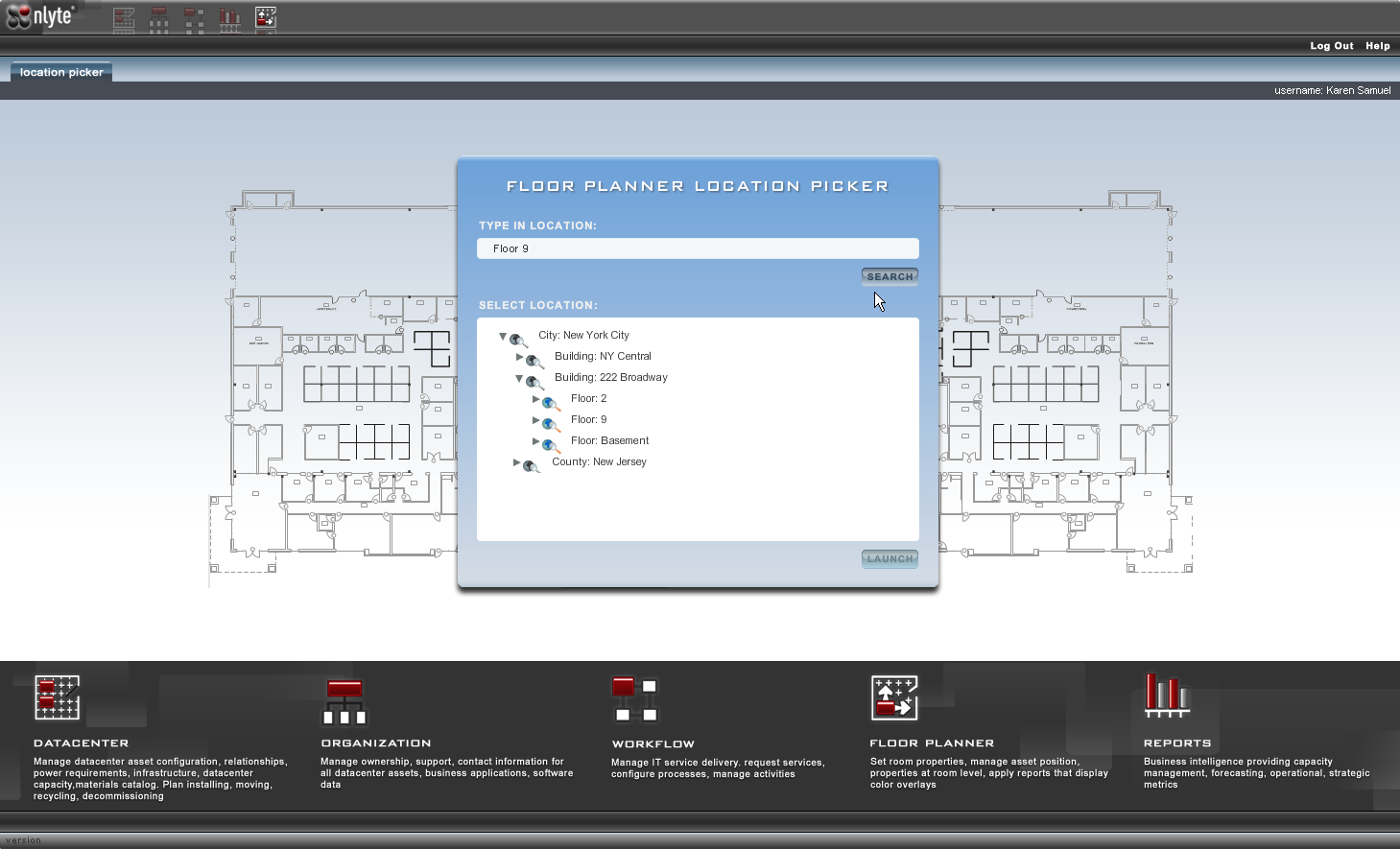
Information Architecture - Reworked navigation and layout to reduce cognitive load for users managing complex infrastructure data
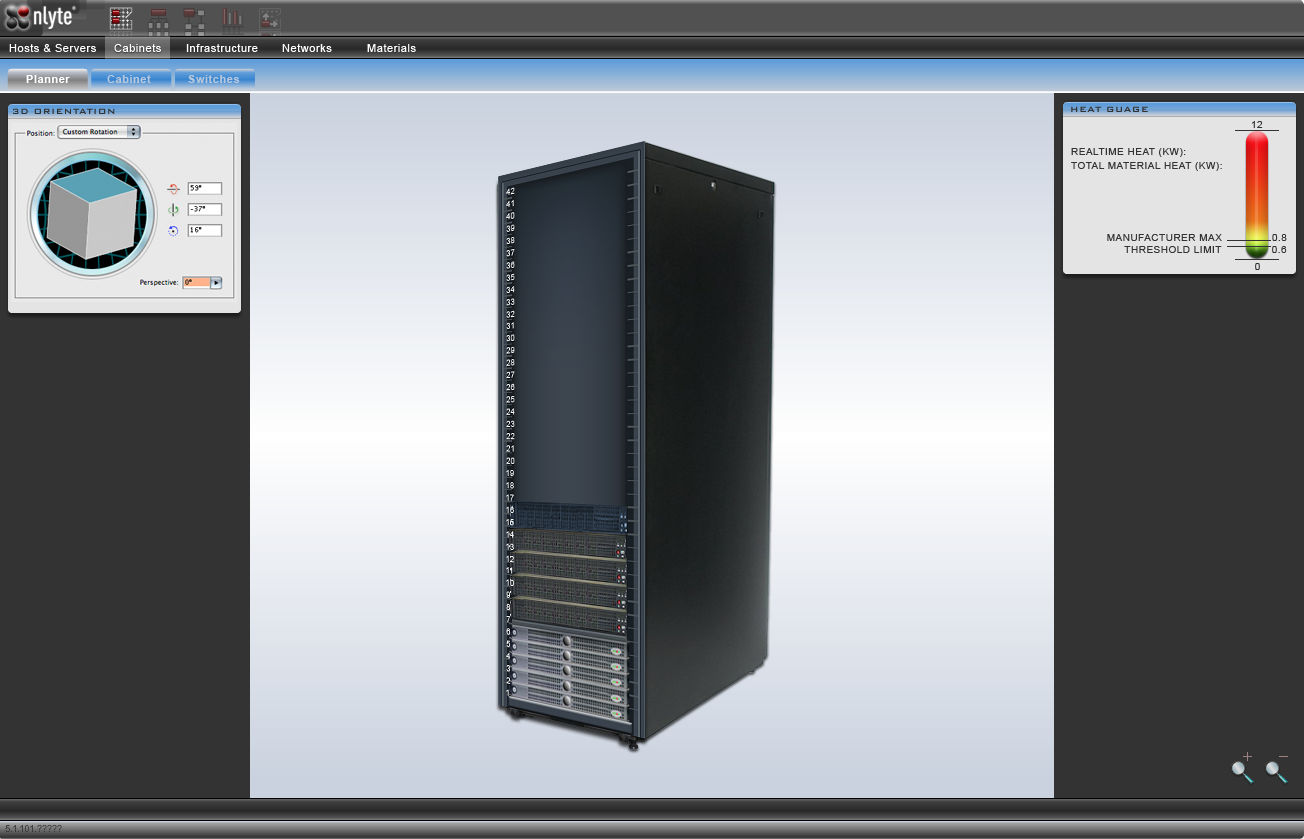
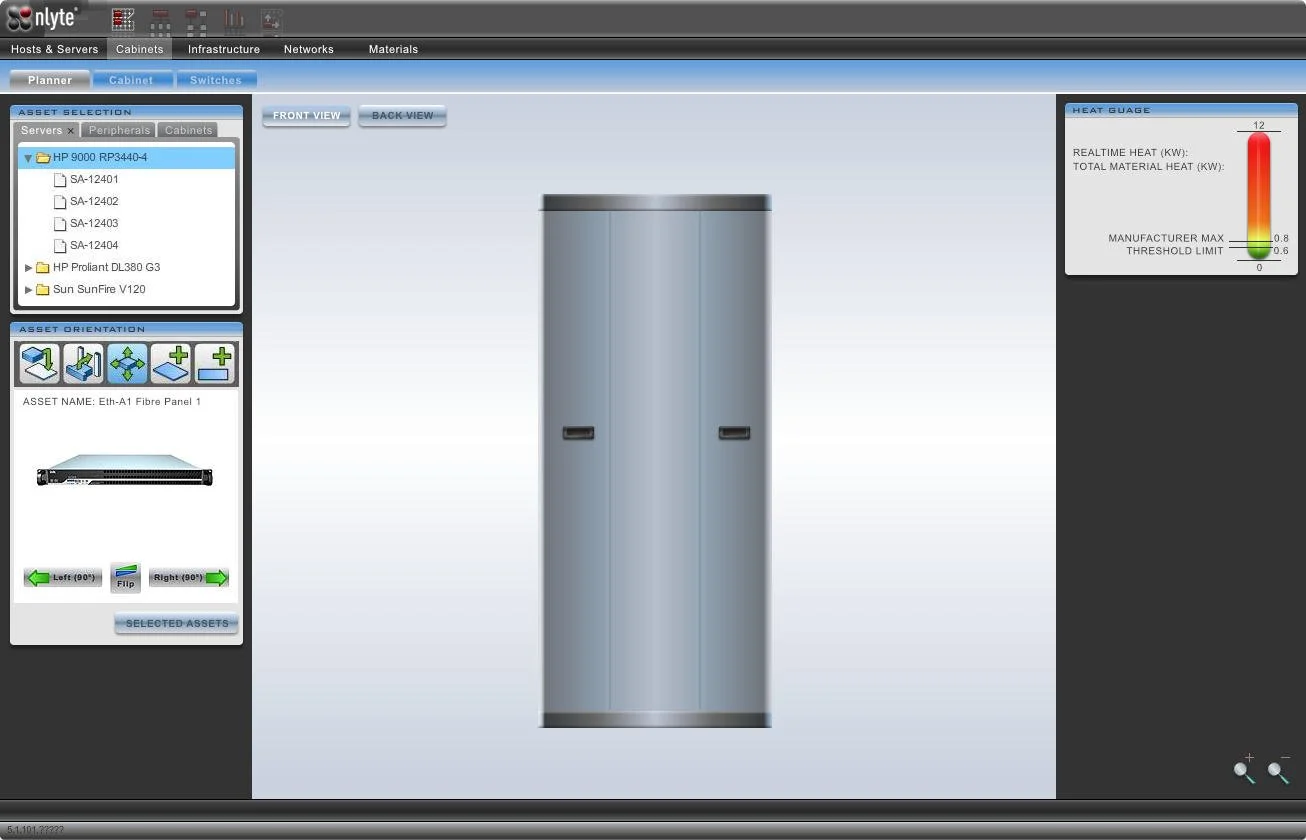
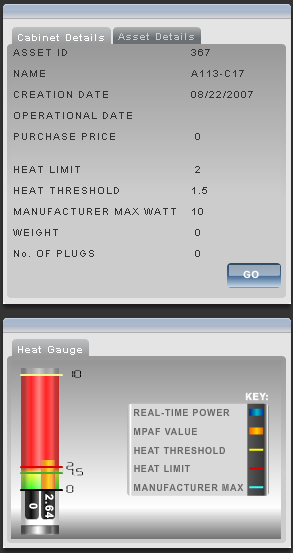
Interface Design - Designed layouts, visual components, and data visualizations (including 3D floor plan views, heat gauges, and panel management) in close collaboration with front-end developers
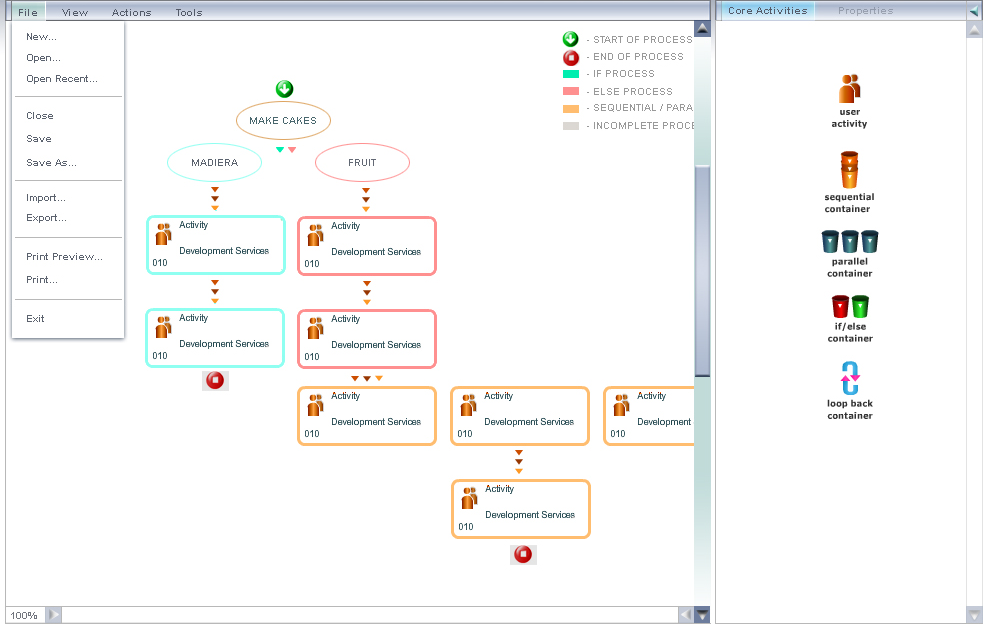
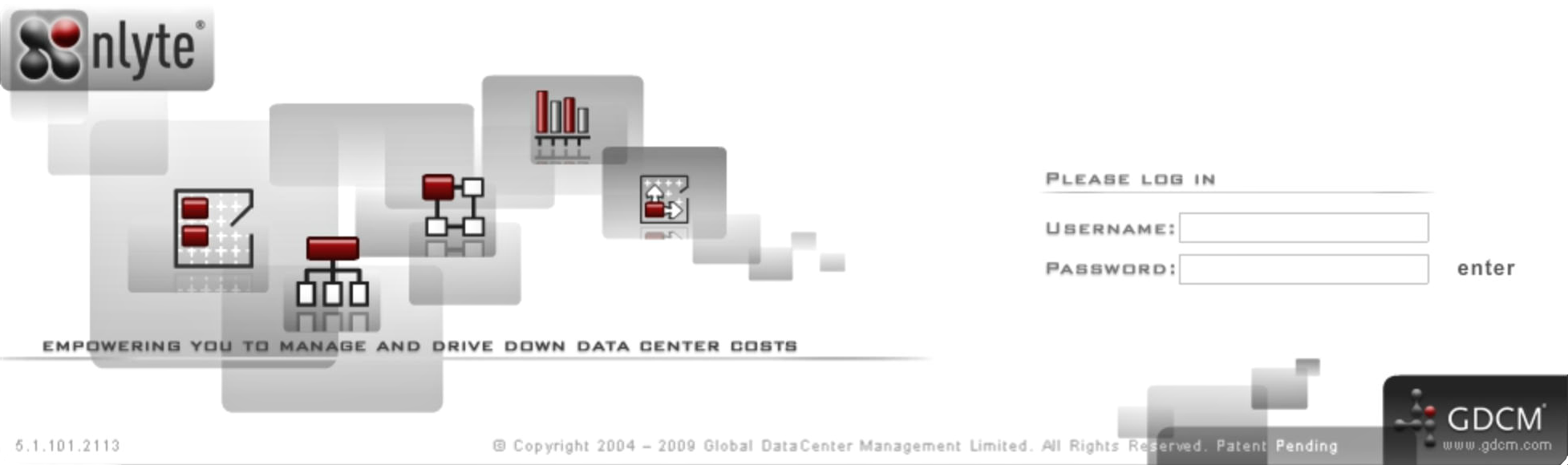
Design Consistency - Established visual standards applied across UI, splash screens, workflow diagrams, and supporting materials
Documentation & Manuals - Designed user-facing manuals and visual content to maintain brand and UX consistency across all touchpoints
Outcome
The redesigned interface brought greater coherence to a complex, feature-rich product, making it more navigable for enterprise users managing critical infrastructure. I received Positive reception from Product and Engineering teams, and help improve the developer handoff process. I was also able to help reduce design inconsistencies across the different enterprise modules.
The visual and interaction standards established during this engagement provided a foundation the team could build on as the product continued to scale.